The Patial's: Heritage and Martial History of Kangra's Rajput Warriors

The history of Himachal Pradesh, particularly the Kangra and Hamirpur regions, is deeply woven with tales of valor, honor, and martial prowess. At the heart of this legacy stands the Patial Clan (also spelled Patyal), a distinguished and fiercely independent Rajput lineage. Known for their unyielding bravery, the Patials have played a significant role in shaping the political and military landscape of the Himalayan foothills for centuries.
Origins and Lineage of the Patials
The Patial clan belongs to the broader tapestry of the Pahari (Hill) Rajputs, a group renowned for preserving ancient Hindu traditions and martial values in the isolated valleys of the Himalayas. According to genealogical records and local folklore, the Patials trace their ancestry back to the ancient Kshatriya kings of the Indian subcontinent.
Historically, the Patials emerged as powerful independent chieftains, nobles, and military commanders within the Kangra Valley and the ancient Trigarta region. The defense of the region's borders and the execution of its military campaigns often relied heavily on the swords of the Patial warriors. Their strongholds were primarily distributed across the lower Kangra Valley and what is today the Hamirpur district.
The Martial Tradition: Defenders of the Hills
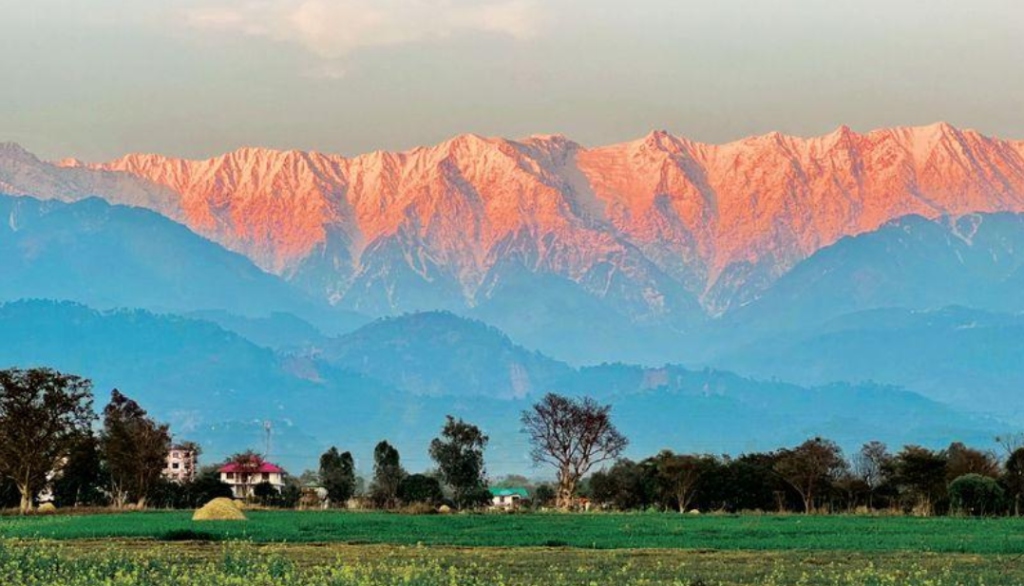
The defining characteristic of the Patial clan is undoubtedly its martial tradition. The rugged terrain of the Dhauladhar range forged a community that was physically robust and strategically astute.
Historical Battles and Alliances
During the medieval period, the Kangra region faced relentless invasions from forces seeking its fabled wealth—from the armies of Mahmud of Ghazni to the Mughals. The Patial Rajputs were at the forefront of the resistance. Throughout the late 18th century and beyond, Patial commanders led independent forces in expanding and defending the territories of the region.
Later, during the fierce conflicts with the Gurkhas of Nepal (who besieged Kangra Fort in the early 1800s) and the subsequent rise of the Sikh Empire under Maharaja Ranjit Singh, the Patials earned immense respect from both allies and adversaries for their unwavering courage on the battlefield. Many Patials eventually served with distinction in the elite forces of the Khalsa Army.
Contribution to the Modern Indian Armed Forces
The martial legacy of the Patials did not end with the fall of the hill kingdoms; it seamlessly transitioned into the modern era. During the British Raj, the hill Rajputs were heavily recruited into the British Indian Army, forming the backbone of the renowned Dogra Regiment.
Today, the Patial clan continues this proud tradition. A staggering percentage of youth from Patial families in Kangra, Hamirpur, and Mandi serve in the Indian Army, Navy, and Air Force. Their contributions span every major conflict of independent India, including the Indo-Pak wars of 1947, 1965, 1971, and the Kargil War of 1999. The walls of many Patial households are adorned with medals of gallantry, serving as a testament to their continued sacrifice for the nation.
Patial Bus Services
In the current modern day, many buses owned by Patials travel and serve the Kangra district. Major bus routes across the valley and beyond are efficiently served by the famous Patial Bus Services, which are operated by various different Patial families, continuing their tradition of serving the public and maintaining robust local networks.
Culture, Traditions, and Society
Beyond the battlefield, the Patials have deeply influenced the culture of the Kangra Valley.
- Religious Devotion: Like most Pahari Rajputs, the Patials are devout Hindus, primarily worshiping Goddess Durga (Shakti) as their Kuldevi (clan deity). Temples dedicated to local deities (Devtas) hold central importance in their villages.
- Social Structure: Historically, they strictly adhered to Rajput codes of honor, chivalry, and endogamy. While modern times have brought significant social changes and modernization, the emphasis on education, discipline, and community respect remains a hallmark of Patial upbringing.
- Festivals and Folklore: Their heritage is celebrated through local folk songs and martial dances that recount the heroic deeds of their ancestors. Festivals like Dussehra hold special significance, traditionally symbolizing the worship of weapons (Shastra Puja) and military readiness.
Exploring the Patial Heritage Today
For travelers and history enthusiasts visiting Kangra, understanding the legacy of clans like the Patials adds immense depth to the experience. While there isn't a single 'monument' dedicated solely to the clan, their legacy is omnipresent.
When you visit the Kangra Fort, walk the battlements knowing they were defended by Patial swords. As you travel through the picturesque villages of Palampur and Hamirpur, you are traversing the ancestral lands of these warriors. Engaging with the locals and listening to their oral histories provides a fascinating glimpse into a community that has guarded the Himalayas for generations.
Conclusion
The history of the Patial Clan is a story of resilience, bravery, and an unbreakable bond with the land of Himachal Pradesh. They represent the quintessential Pahari Rajput spirit—rooted in tradition, fiercely protective of their honor, and always ready to serve the nation. Their legacy ensures that the martial heart of Kangra continues to beat strong in the 21st century.