Bundla Tea Estate Palampur: The Crown Jewel of Kangra Tea (2026 Guide)
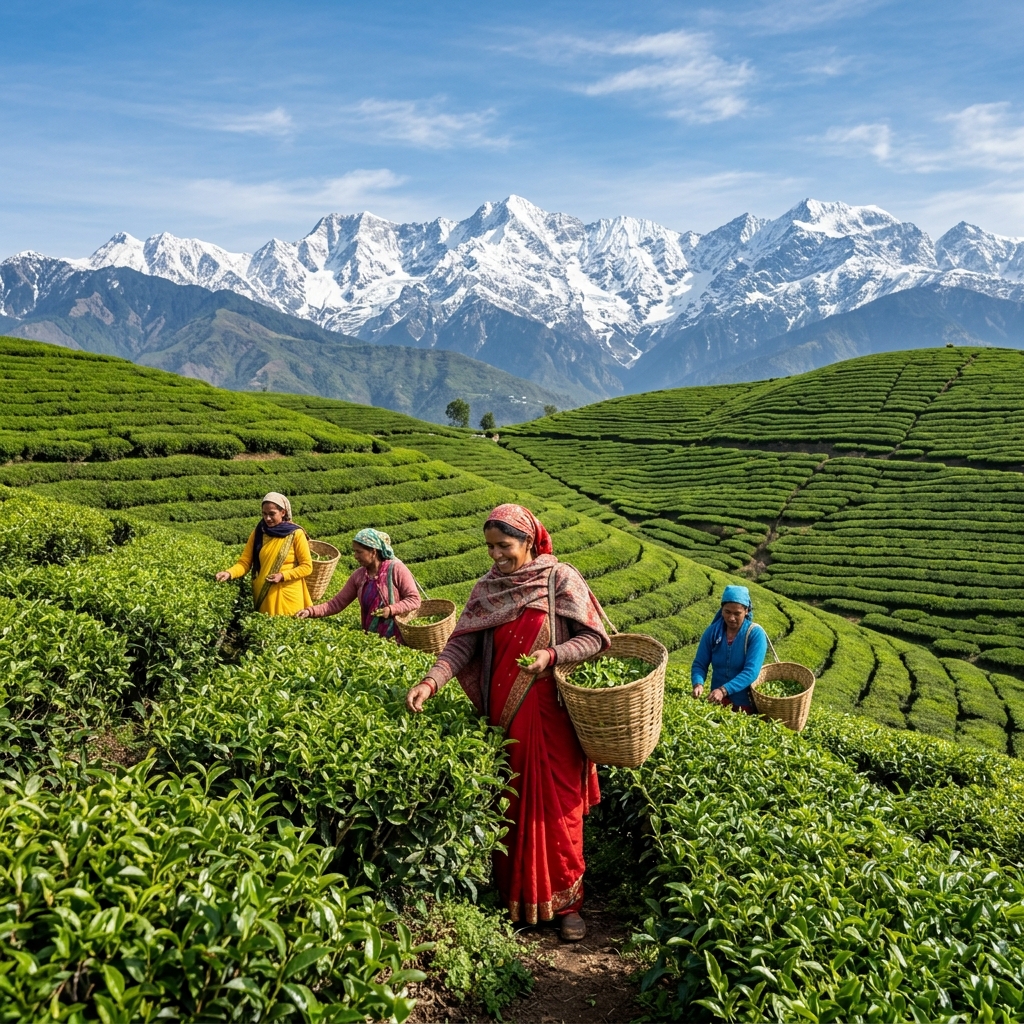
When one thinks of Palampur, the immediate image that comes to mind is an endless expanse of manicured, emerald-green tea bushes set against the dramatic, snow-capped peaks of the Dhauladhar range. At the very heart of this picturesque imagery lies the historic Bundla Tea Estate. Established over 150 years ago during the British Raj, it is one of the oldest, largest, and most scenic tea estates in the entire Kangra Valley.
History of Bundla Tea Estate & Kangra Tea
The story of the Bundla Tea Estate is intrinsically linked to the introduction of tea in the Himalayas. In the mid-19th century, Dr. William Jameson, Superintendent of the Botanical Gardens at Saharanpur, introduced Chinese tea bushes to the Kangra Valley. The soil and the unique microclimate of Palampur proved to be incredibly conducive to tea cultivation.
The Bundla Tea Estate was established during this pioneering era (around 1860). Unlike the robust CTC teas of Assam, Kangra tea is predominantly orthodox—meaning it is manufactured using traditional methods involving plucking, withering, rolling, oxidation, and drying. This meticulous process yields a highly aromatic brew with a distinct flavor profile, often compared to the finest Darjeeling teas. In 1886, Kangra tea even won a gold medal at an exhibition in London, establishing its global reputation.
Today, the estate stands not just as an agricultural powerhouse but as a living museum of colonial-era agro-industry, maintaining the rich legacy of Kangra's orthodox tea production.
What to Expect: A Walk Through the Gardens
Visiting the Bundla Tea Estate is a sensory experience. As you step into the estate, the air immediately feels cooler, tinged with the fresh, earthy aroma of tea leaves. The estate is meticulously laid out with narrow walking trails weaving through the waist-high bushes.
Photography: The estate is a paradise for photographers. The contrast of the vivid green bushes against the stark, white Dhauladhar mountains (especially visible in the mornings from October to April) provides postcard-perfect frames.
Tea Plucking Experience: If you visit between April and October, you will witness the local women, dressed in traditional vibrant attire with large bamboo baskets strapped to their backs, deftly plucking the "two leaves and a bud." Some sections of the estate allow visitors to interact with the pluckers and even try their hand at tea plucking.
Tea Factory Tour and Tasting Session
No visit to a tea estate is complete without understanding the journey of the leaf from the bush to your cup. The Bundla Tea Estate operates a historic factory where traditional orthodox tea processing still takes place.
- The Factory Tour: Visitors can request a guided tour of the factory. You will walk through the withering troughs, observe the large rolling machines (some dating back decades), and see the drying and sorting processes. The rhythmic hum of the machinery and the intoxicating aroma of drying tea is an unforgettable experience.
- Tea Tasting: After the tour, engage in a professional tea tasting session. You will learn how to identify the subtle floral and fruity notes of Kangra green and black teas, understand the concept of "flushes" (First Flush being the premium spring harvest), and learn the correct brewing techniques.
Timings, Entry Fee, and Location Details
The Bundla Tea Estate is very accessible and welcoming to tourists, but planning your timing is key to a good experience.
Timings
The tea gardens are generally open for visitors from 9:00 AM to 5:00 PM. However, the best time to visit is early morning (around 9:30 AM) when the mountains are clear and the tea pluckers are active, or late afternoon for the golden hour sunlight.
Entry Fee
Taking a stroll along the main public paths of the estate is generally Free of Cost. However, if you wish to take a guided factory tour or participate in an official tea tasting session, there is usually a nominal charge ranging between ₹100 to ₹300 per person.
How to Reach
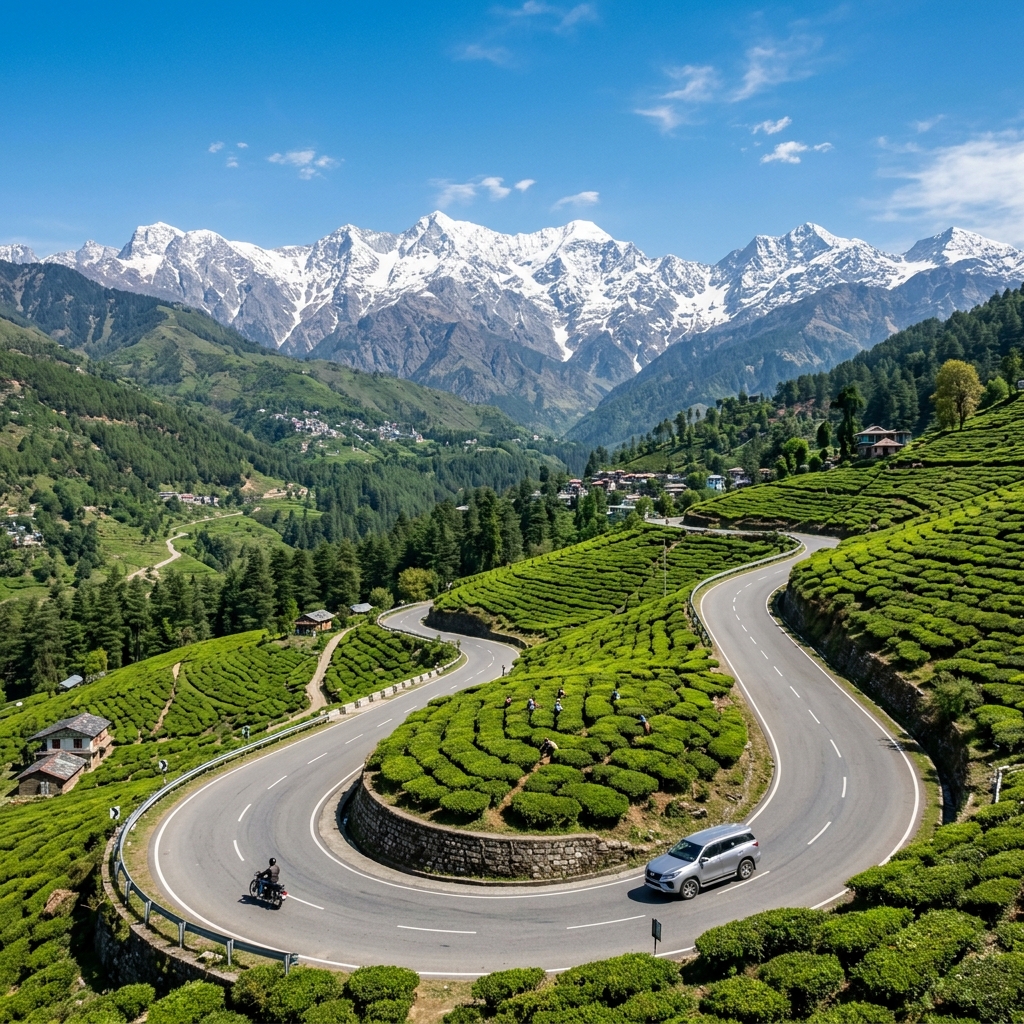
The estate is located just about 2-3 kilometers from the main Palampur bus stand. You can easily reach it by hiring a local taxi or an auto-rickshaw. Many tourists also prefer walking from the town center, enjoying the crisp mountain air.
Tips for Visitors
- Buy Authentic Tea: Don't forget to purchase authentic Kangra tea directly from the estate's outlet or nearby authorized shops. It makes for an excellent, authentic souvenir.
- Respect the Plants: While walking through the trails, be careful not to pluck or damage the tea bushes unnecessarily. The tea plants are delicate and the livelihood of many locals depends on them.
- Avoid Monsoons for Tours: While the gardens look incredibly lush during heavy monsoons (July-August), factory operations might be intermittent, and the paths can get very muddy and slippery.
Conclusion
The Bundla Tea Estate is not merely a tourist spot; it is the soul of Palampur. It offers a tranquil escape from the bustling city life, providing a perfect blend of natural beauty, historical heritage, and sensory delight. Whether you are a tea connoisseur looking for the perfect Kangra brew or a traveler seeking a peaceful walk amidst nature, this historic estate promises an enriching experience.