Palampur Tea Gardens Guide: The Tea Capital of North India (2026)
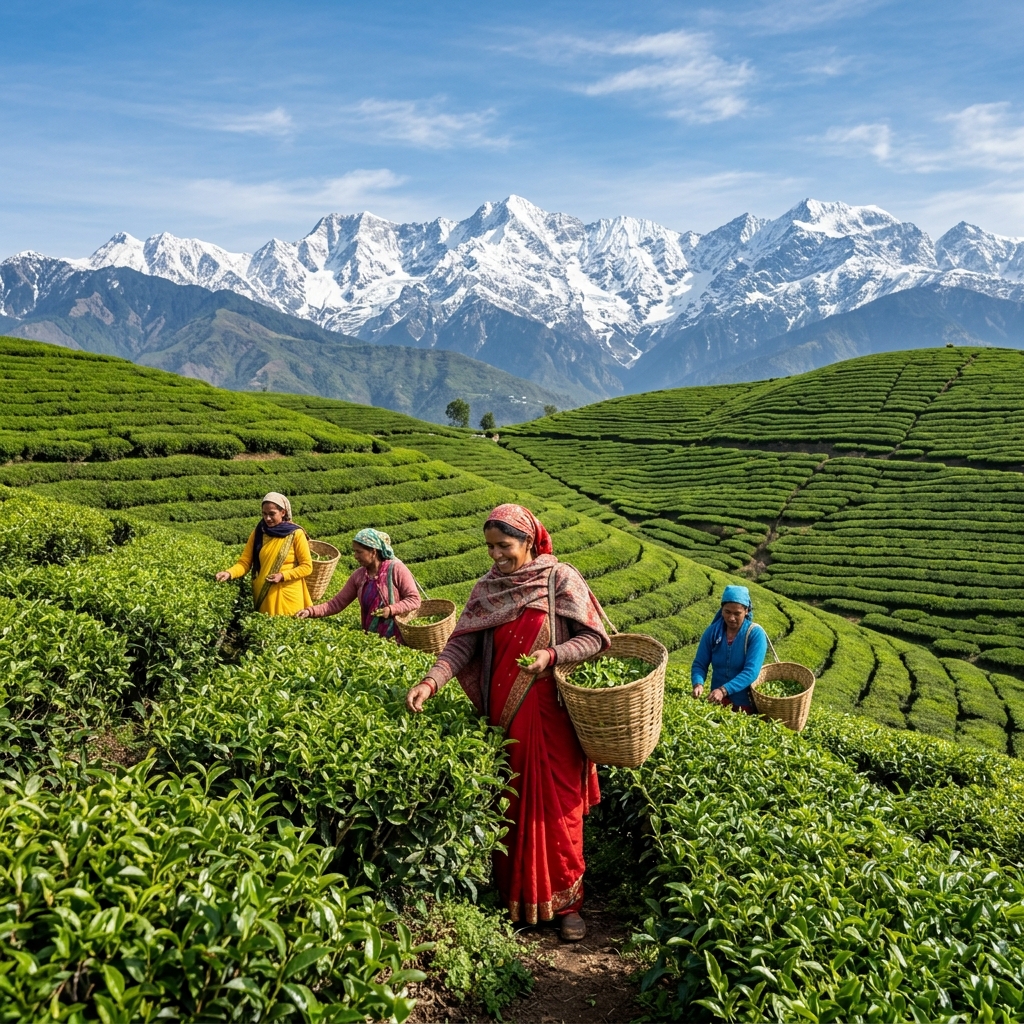
Often affectionately crowned as the Tea Capital of North India, Palampur is a serene, picturesque hill station in the Kangra Valley. Unlike the steep, dramatic cliffs of nearby Dharamshala, Palampur offers a gentler, more pastoral beauty defined by its sprawling, emerald-green tea estates, dense pine forests, and countless intersecting mountain streams. If you are a nature lover, a photography enthusiast, or a tea aficionado, a walk through the Palampur Tea Gardens is an absolute must-do on your Himachal itinerary.
The Uniqueness of Kangra Tea
To appreciate the Palampur tea gardens, one must understand what makes the tea grown here so special. Introduced in the 1850s by British botanist Dr. William Jameson, the tea bushes planted here were brought from China (Camellia sinensis sinensis). The unique terroir of the Kangra Valley—its acidic soil, abundant rainfall, and altitude (around 1,220 meters)—proved exceptionally conducive to these Chinese varieties.
Today, Palampur primarily produces Orthodox tea, particularly green and black variants. Kangra tea is renowned globally for its distinct floral aroma, sweet undertones, and a bright, smooth liquor. It is a premium product, holding a Geographical Indication (GI) tag, distinguishing it from the stronger, maltier teas of Assam.
Best Areas to Experience the Tea Gardens
While driving through Palampur, you will see tea bushes flanking the highways, but to truly experience them, you need to step off the road and into the estates. Here are the top spots:
- Palampur Cooperative Tea Factory: Located near the town center, this is the operational hub for many local tea growers. Visitors can witness the entire manufacturing process—from the withering of fresh green leaves to rolling, fermentation, and drying. A nominal fee is usually charged for the guided tour.
- Bundla Tea Estate: Arguably the most beautiful and historic estate in the region. It offers wide, walking-friendly trails through the bushes with unobstructed views of the Dhauladhar range. (See our detailed guide on the Bundla Tea Estate).
- Wah Tea Estate: Located slightly on the outskirts of Palampur, Wah is the largest working tea estate in the Kangra Valley. They offer incredibly well-organized estate tours, tea tasting sessions, and even boutique homestay experiences right in the middle of the gardens.
Photography Tips for the Tea Gardens
The Palampur tea gardens are highly photogenic, providing a striking contrast between the vibrant green foreground and the stark white or blue background of the mountains.
- The Golden Hours: The absolute best time for photography is during the early morning (7:00 AM to 9:00 AM) when the sunlight gently hits the dew-covered leaves, and the mountains are free of afternoon clouds.
- Capture the Pluckers: During the plucking season (April to October), try to capture the local women at work. Always ask for permission before taking close-up portraits. Their vibrant traditional clothing makes for stunning visual contrast against the green bushes.
- Use Leading Lines: The tea bushes are planted in neat, geometric rows. Use these rows as leading lines in your composition to draw the viewer's eye toward the mountains in the background.
Best Time to Visit Palampur for Tea Tourism
The experience of the tea gardens changes drastically with the seasons:
- Spring to Early Summer (March to June): This is the best time to visit. The first flush (spring harvest) begins in March. The bushes are brilliantly green with fresh shoots, the weather is perfect, and factory operations are in full swing.
- Monsoon (July to September): The valley turns incredibly lush and washed clean. However, heavy rains can make the paths muddy, and leeches can be an issue in the dense bushes.
- Autumn (October to November): Excellent for clear, crisp views of the Dhauladhar mountains. The autumnal flush of tea is harvested during this time.
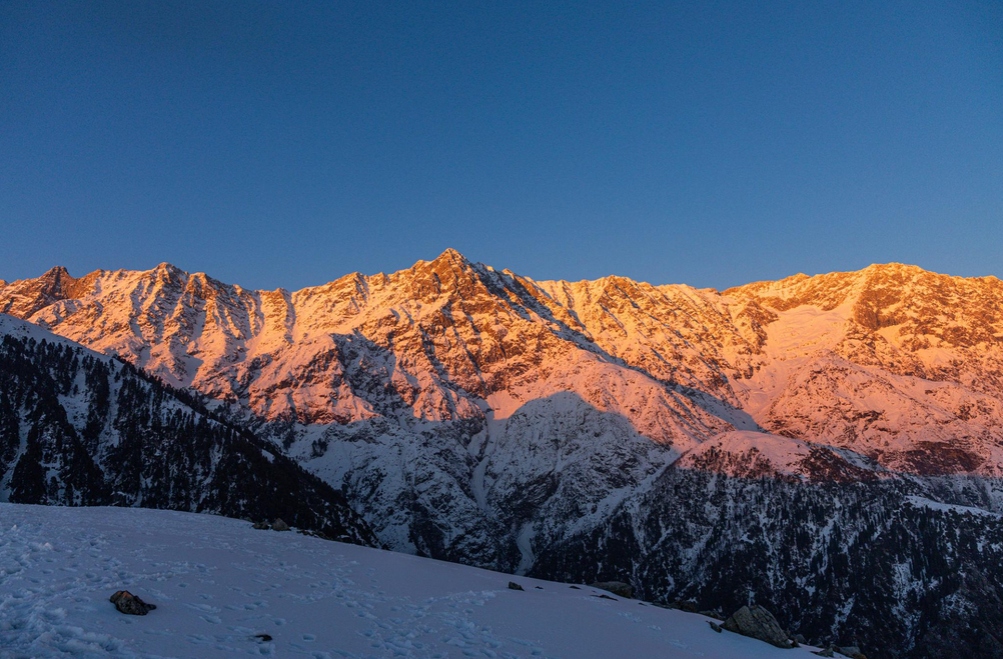
- Winter (December to February): The tea bushes are mostly dormant and pruned. While you get spectacular views of heavily snowed mountains and can enjoy the sunshine, the gardens themselves are not at their visual peak, and factories may not be processing fresh leaves.
Buying Guide: Taking Kangra Tea Home
When in Palampur, buying local tea is mandatory. To ensure you are getting authentic Kangra tea:
Avoid buying generic, unbranded packets from roadside stalls. Instead, visit the official outlets of the Cooperative Tea Factory, the retail shops at Wah Tea Estate, or established stores in the Palampur main market. Look for the GI (Geographical Indication) tag or certification on the packaging. The Kangra Green Tea is highly recommended for its health benefits and delicate flavor, while the Orthodox Black Tea is perfect for a soothing evening cup.
Conclusion
A trip to the Palampur tea gardens is a therapeutic experience. It is a place where you can slow down, breathe in the unpolluted mountain air, and connect with nature and history over a simple cup of tea. Whether you spend an hour taking photographs or half a day touring a factory, the emerald carpets of Palampur will remain etched in your memory long after your Himalayan holiday ends.