The Legendary Katoch Dynasty: Lords of the Ancient Trigarta Kingdom
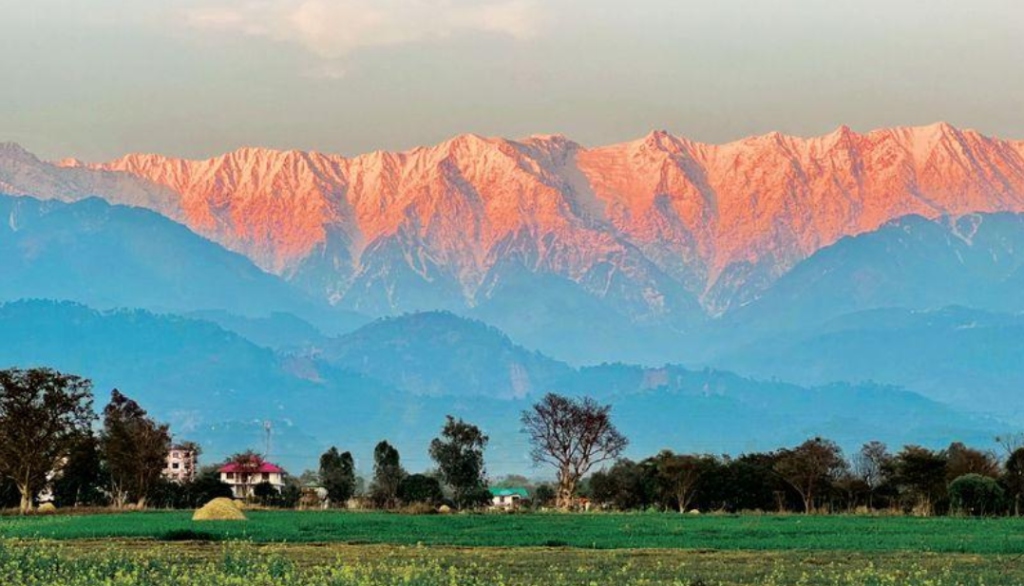
When we speak of the history of Himachal Pradesh, it is inextricably linked with the saga of the Katoch Dynasty. Recognized by historians and ancient scriptures alike as one of the oldest surviving royal lineages in the world, the Katoch kings ruled the ancient Kingdom of Trigarta (modern-day Kangra, Jalandhar, and parts of Multan) for millennia. Their legacy is etched in the colossal stones of the Kangra Fort, the delicate strokes of Kangra miniature paintings, and the very cultural fabric of the Himalayan foothills.
Mythological Origins: The Birth of Trigarta
The origins of the Katoch dynasty blur the lines between recorded history and mythological lore. According to ancient Hindu texts, including the Puranas and the great epic Mahabharata, the dynasty was founded by Rajanaka Bhumi Chand. Legend has it that he was not born of mortal parents but sprang directly from the sweat of Goddess Ambika (a form of Goddess Parvati) that fell on the earth to help the gods defeat the demon Jalandhara.
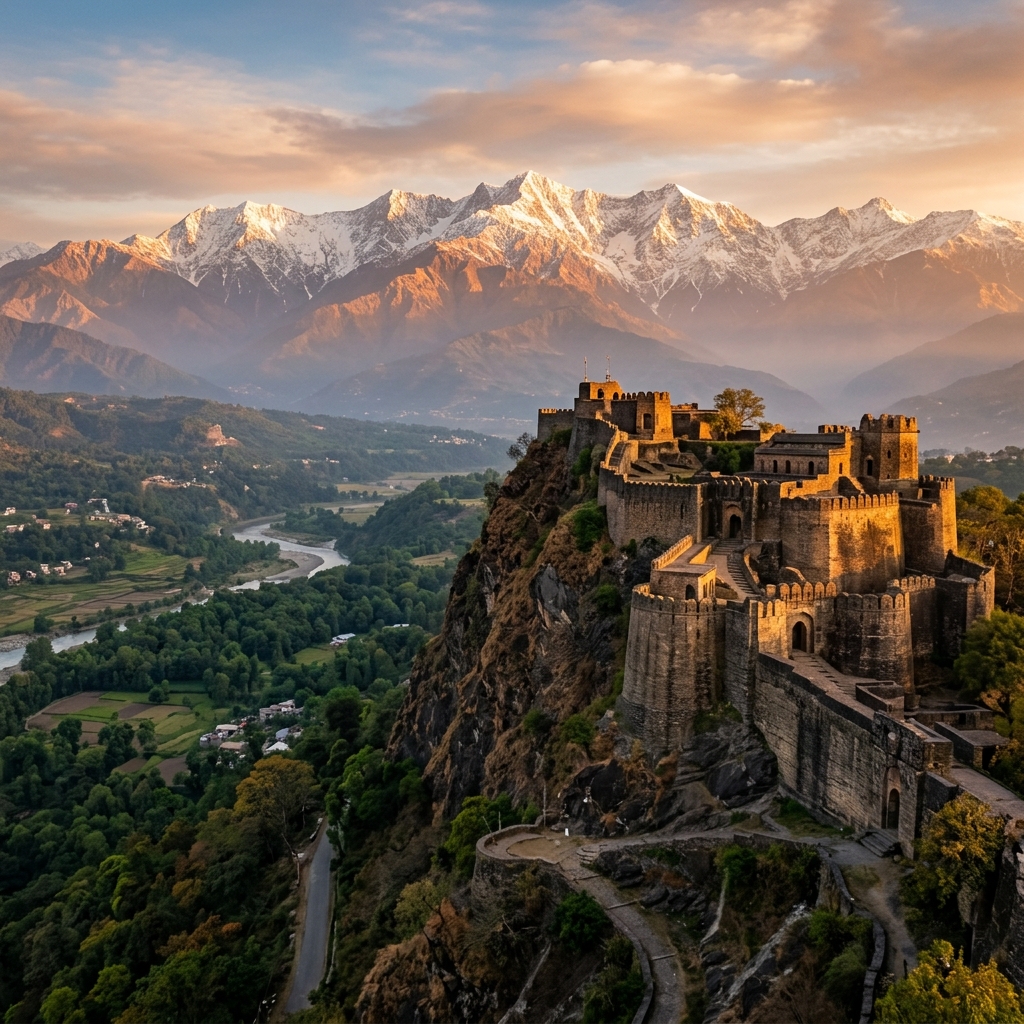
The kingdom they established was called Trigarta, which literally translates to "the land of three rivers" (the Ravi, Beas, and Sutlej). The Katoch kings feature prominently in the Mahabharata. King Susharma Chandra, the 234th king of this lineage, is famously recorded as having fought on the side of the Kauravas against the Pandavas in the epic Kurukshetra war. After the war, he retreated to the hills and constructed the impregnable Kangra Fort.
The Golden Age: Maharaja Sansar Chand II
While the dynasty saw hundreds of rulers over thousands of years, the zenith of Katoch power and cultural flourishing occurred under the reign of Maharaja Sansar Chand II (born 1765, reigned 1775–1823). Ascending the throne at a very young age during the decline of the Mughal Empire, Sansar Chand was a visionary military leader and a great patron of the arts.
Under his aggressive leadership, the Kangra kingdom expanded significantly, conquering neighboring hill states and recovering the ancestral Kangra Fort from the Mughals and Sikhs. His court in Nadaun (and later Sujanpur Tira) became a vibrant center for artists, musicians, and poets who sought refuge from the turbulent plains of North India.
The Kangra School of Miniature Painting
Maharaja Sansar Chand's most enduring legacy is the patronage of the Kangra School of Miniature Painting. This distinct style, characterized by its lyrical grace, intricate detailing, vivid colors (extracted from natural stones and plants), and themes centered around the eternal love of Radha and Krishna (Geeta Govinda), is globally celebrated today. The royal ateliers produced thousands of masterpieces that now grace the walls of prestigious museums across the world, from the National Museum in New Delhi to the Victoria and Albert Museum in London.
Battles, Sieges, and the Decline of Power
The unimaginable wealth of the Kangra Fort and the strategic dominance of the Katoch kings made them a prime target for continuous invasions. The fort witnessed sieges by Mahmud of Ghazni (1009 AD), Muhammad bin Tughluq (1337 AD), Firuz Shah Tughluq (1365 AD), and Emperor Jahangir (1620 AD).
The beginning of the end for the independent Katoch rule came in the early 19th century. Maharaja Sansar Chand's ambitious expansion eventually brought him into conflict with the fierce Gurkha army from Nepal, led by Amar Singh Thapa. A prolonged and devastating siege of the Kangra Fort (1805–1809) forced Sansar Chand to seek the assistance of Maharaja Ranjit Singh of the Sikh Empire.
While the Sikhs successfully drove out the Gurkhas, they effectively took control of the Kangra Fort and much of the state, reducing the Katoch king to a tributary status. The subsequent arrival of the British and the Anglo-Sikh wars eventually brought the entire Kangra region under British colonial rule in 1846, marking the end of the Katoch dynasty's sovereign power.
The Katoch Dynasty Today
Unlike many ancient dynasties that vanished into the sands of time, the Katoch lineage has survived to the present day. The titular head of the royal family still holds deep respect among the local populace of Kangra. The current scion of the royal family, Maharaja Tikka Aishwarya Chandra Katoch, along with the family, continues to reside in the region (primarily in Dharamshala and their ancestral estates).
The royal family plays a crucial role in preserving the cultural heritage of Kangra. They actively maintain the Maharaja Sansar Chand Museum, located near the Kangra Fort, which offers visitors a rare glimpse into the private collections of the royal family, including original miniature paintings, weapons, artifacts, and royal costumes. Furthermore, they are involved in various philanthropic activities and local festivals, ensuring that the legacy of the Trigarta Kingdom continues to thrive in modern India.
Why You Must Explore Katoch Heritage
A trip to Kangra is incomplete without acknowledging the profound impact of the Katoch kings. When you walk the steep cobbled paths of the Kangra Fort, visit the Brajeshwari Temple, or admire a Kangra miniature painting, you are directly interacting with a continuous royal legacy that spans thousands of years. It is a testament to the resilience of a dynasty that not only survived countless empires—from the Mauryas to the Mughals and the British—but also left an indelible mark on the artistic and cultural map of the world.